Why CV screening usually doesn't work
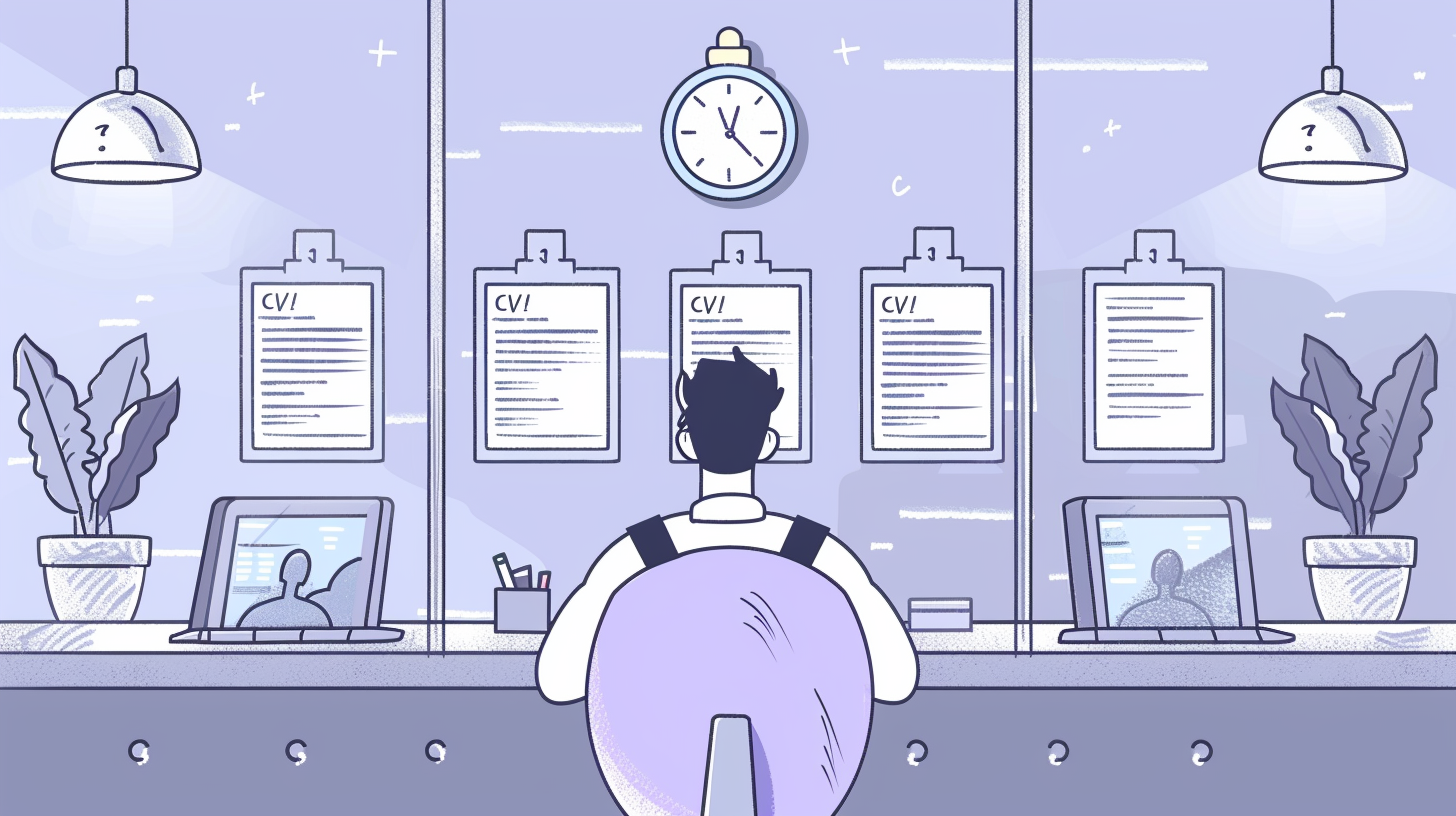
Recruitment teams spend hours (sometimes days) screening resumes, but it often turns out afterwards that the best candidates should not even have been chosen based on their resume.
The reality: resume screening is one of the least efficient steps in the hiring process.
Resumes only tell a small part of the story
- No insight into soft skills
- No context of motivation
- No proof of actual skills
Bias and subjectivity play a major role
- First impression influences selection
- Unconscious preferences
- Inconsistent review among recruiters
High time costs per candidate
Resume screening does not scale with growing hiring volumes. Increasing trend in the number of applications, partly due to AI.
- 100+ CVs per vacancy is normal
- Rising trend in the number of applications per vacancy
- Hours of manual screening work for recruiters
- Repetitive work

What goes wrong in the recruitment process
You're optimizing the wrong time in the funnel
- Too much focus on selection before real validation
- Little to no interactive review
Poor predictive value of CVs
- Experience ≠ performance
- Training ≠ skills
- AI-optimized CVs say little about real skills
Long time to hire thanks to manual work
- Slow first selection
- Many candidates unfairly lose weight early
What works better than CV screening
Skill-based assessment instead of CV first selection
- Assess candidates on real skills
- Standardised questions/interviews
AI-driven screening and interviews
- Automatic first screening
- Consistent assessment of candidates
- Significantly faster and more efficient hiring process
How modern teams are solving this with AI
From manual to automated
- AI conducts first round of interviews based on questions asked by the company
- AI has a human and natural conversation, with follow-up questions based on candidate answers
- Candidates do the interview when it suits them, even outside office hours
- Recommendations are made per candidate with explainable AI scores
- Recruiters review all interviews and can override scores where necessary
- Recruiter finally decides who they want to speak to for the next round
Benefits
- 70-90% time savings in screening
- Better candidate relevance/quality
- Faster time to hire
- Win-win for the company and candidates: AI gives candidates a second chance if they are ultimately not selected by sharing their interview with the Intaqe Candidate Network (if the candidate wants), where new matches are created.
How Intaque solves this problem
From CV screening to AI interviewing
- AI interviews candidates automatically
- Structured scoring per candidate
- No longer dependent on CV-first filtering
- AI interviews in 30+ languages: Dutch, English, Spanish, German, French and more
- Intaqe ensures that AI interview is a win-win for company and candidate
- Candidates are never ghosted again, they always receive response and immediate feedback and tips on their interview
- Intaqe Candidate Network (second chance for candidates)
- You can read more benefits here.
What these changes in your workflow
- Resume is supportive instead of leading
- Automatic resume scores
- Recruiter finds the top candidates more easily and speaks to candidates who already have a first match
- Faster and fairer selection (bias-free)
So Intaqe does not replace the recruiter, but the waste of time in the first selection. Save 10+ hours per week per recruiter.

Impact on recruitment teams
- Less workload
- Faster hires
- More consistent quality
- Better candidate experience
- Zero ghosting: all candidates receive response and feedback
Conclusion
- CV screening is obsolete as a primary filter
- It takes a lot of time and provides little predictive value
- AI + structured interviews are the future in hiring workflows
Want to see what AI screening looks like in practice? Plan one Intaqe demo.


.svg)
